
Shopping in Thailand can mean a 40-baht kitchen tool at a neighborhood market, handmade textiles from a provincial cooperative, vintage clothing at Chatuchak, or a luxury purchase in a Bangkok mall. The fun comes from that range. The problems usually start when shoppers assume every price is negotiable, every “antique” is genuine, or every tourist can automatically claim a tax refund.
The experienced approach is simple: know what kind of shop you are in, compare before buying, confirm the final price, and keep the paperwork for anything valuable.
Markets, Malls, and Local Shops Play by Different Rules
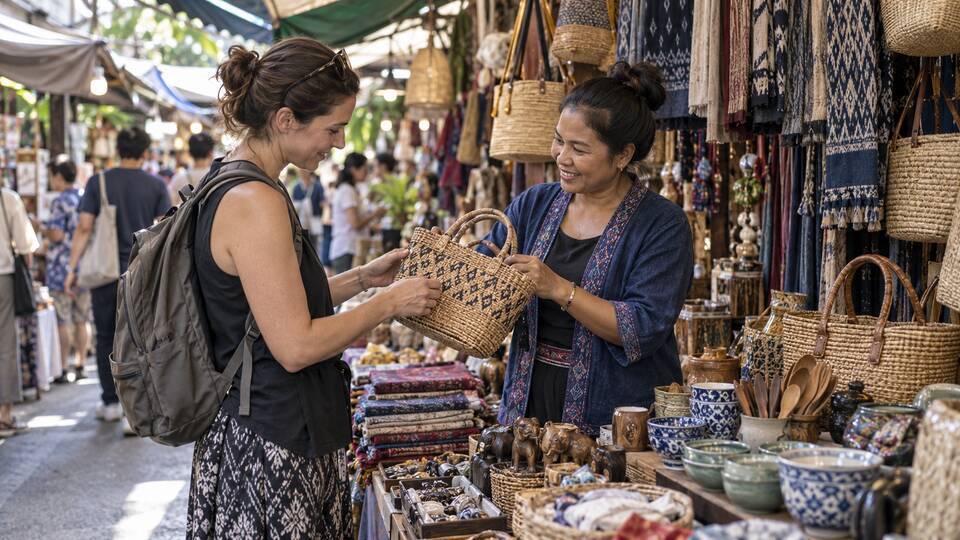
At fixed-price convenience stores, supermarkets, chain shops, and most malls, the marked price is the price. Staff may know about a promotion or membership discount, but aggressive bargaining is out of place. At open-air markets, small independent stalls, and wholesale districts, there may be room to negotiate—especially when buying several pieces.
Chatuchak Weekend Market is the classic example of variety. The Tourism Authority of Thailand lists clothing, bags, handicrafts, decorations, souvenirs, food, and many other products at the Bangkok market. It is large enough that buying the first item you see is rarely necessary. Photograph the stall number or save its map location before walking away, because finding the same seller again can be harder than expected.
Neighborhood markets are better for ordinary household goods, inexpensive clothes, snacks, and produce. Tourist night markets emphasize easy souvenirs and entertainment. Wholesale areas such as Sampeng may offer better per-piece prices when you buy multiples, but narrow lanes and busy working hours require patience.
Bargain Without Turning It Into a Battle
Good bargaining is brief and friendly. Ask the price, show genuine interest, and make a reasonable counteroffer. Buying two or three items gives the seller a practical reason to reduce the total. If the price is still too high, smile and walk away. Do not insult the product, argue over a tiny amount, or agree and then reopen the negotiation.
There is no universal percentage to demand off. Some stalls start with a little room; others already display a fair fixed price. Food, drinks, and low-cost everyday items are usually not bargaining targets. If a seller reaches for a calculator, use it to make the total clear rather than treating it as proof you are being overcharged.
Compare Quality, Not Just the Price Tag
Check seams, zippers, fabric, plugs, voltage, sizing, and return conditions before paying. Thai clothing sizes can run differently from U.S. or European sizing, and the same labeled size may vary between manufacturers. Try items on when possible or carry measurements.
For electronics, confirm that the product has a local or international warranty and ask who actually provides service. A cheap imported device may be genuine but unsupported in your home country. Photograph the serial number and receipt for expensive items.
For gems, high-value jewelry, antiques, religious objects, and protected natural materials, ordinary comparison shopping is not enough. Buy from established businesses, obtain a detailed invoice and any independent certification, and check export restrictions before paying. A seller’s promise that an item is a “special government promotion” or guaranteed investment should make you slow down, not speed up.
Cash, Cards, Transfers, and Receipts
Cash remains useful at markets and small shops. Carry smaller notes because a vendor may not have change early in the day. Count change calmly at the counter. Thai QR payment is common, but short-term foreign visitors may not have access through their home bank.
Cards are widely accepted in malls, hotels, and larger shops. Keep the card in sight, review the amount on the terminal, and choose carefully if offered currency conversion. A terminal may offer to charge in your home currency; compare the displayed rate and fees with your card issuer’s conversion before accepting.
Ask for a receipt for valuable purchases, deposits, deliveries, custom work, and anything that may need to be returned. The receipt should identify the shop and the item, not merely show a total. For a custom order, write down material, color, measurements, completion date, remaining balance, and what happens if the result is not as agreed.
Understand Thailand’s Tourist VAT Refund Before Buying
Thailand has a VAT Refund for Tourists system, but it applies only to eligible travelers and participating shops. The Revenue Department says eligible goods must be purchased from stores displaying the “VAT REFUND FOR TOURISTS” sign. The traveler should present a passport and request the P.P.10 form and original tax invoice at the time of purchase.
The department’s current English guidance states that each application must cover at least 2,000 baht including VAT from the same participating store on the same day. Goods—not services—qualify, and they must leave Thailand within 60 days of purchase. Procedures and inspection thresholds can change, so check the official VAT Refund for Tourists conditions before a major shopping day.
At departure, do not check eligible goods into baggage until you have completed any required customs inspection. High-value or specified luxury items may need to be shown again after immigration. Leave extra airport time; a refund is not worth missing a flight.
Long-term residents and Thai nationals generally should not assume they qualify merely because they hold a foreign passport or are taking a trip. Eligibility considers nationality, domicile, travel status, participating stores, and departure method. Verify your situation with the Revenue Department.
Watch for the Sales Pitch Around the Product
Many shopping problems begin before the shop. A stranger near a temple says your destination is closed, then recommends a tuk-tuk tour that includes a tailor or gem store. A friendly person claims today is the final day of an official export sale. A driver receives fuel coupons or commission for bringing customers to certain shops.
A commission does not automatically make the product fake, but it changes the recommendation. If you did not intend to shop for gems, suits, or expensive souvenirs that morning, do not let urgency create a new plan. Visit the original destination, research the shop independently, and return another day if the offer is genuinely good.
Shop Responsibly
A low price can hide environmental or labor costs. Prefer durable items you will use, local craft producers who explain their materials, and legal products that can be taken home. Avoid wildlife products, questionable coral or shells, ivory, counterfeit documents, and antiques without clear provenance.
When buying from a small maker, ask before photographing the production process. Give credit if posting online. If an item is handmade, minor variation may be part of the work rather than a defect—but structural problems should still be discussed before purchase.
A Practical Shopping Checklist
- Compare the item at more than one stall or store.
- Confirm whether the price is per item, by weight, or for the full set.
- Inspect quality and test electronics before leaving.
- Get written terms for deposits, alterations, and delivery.
- Keep receipts, P.P.10 forms, and original tax invoices together.
- Photograph valuable purchases and serial numbers.
- Walk away from pressure, secrecy, or guaranteed-profit claims.
Thailand is a rewarding place to shop when you keep the experience in proportion. Bargain where it makes sense, pay the posted price where it does not, and judge value by quality and usefulness—not by the size of the discount someone claims to have given you.